
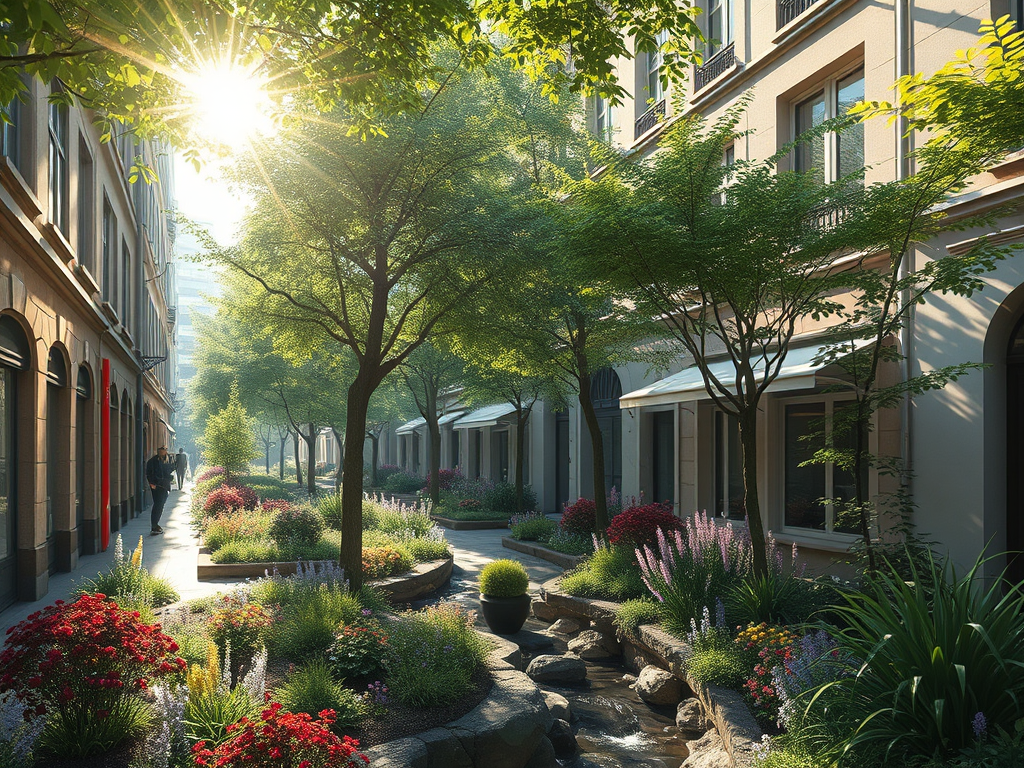
In the heart of a bustling European city, the sun beats down relentlessly on the concrete streets. You walk down a shaded alley. You’re greeted by the cool breath of nature. A canopy of trees greets you. Vibrant flower beds surround you. You hear the gentle trickle of water from a well-designed rain garden. You pause, taking in the beauty of the space. But there’s something more at play here than just aesthetic appeal. This green infrastructure is part of the city’s strategy to combat rising temperatures. It also aims to manage stormwater. Additionally, it enhances the well-being of its citizens. The question, though, remains: How does a city with finite resources finance such transformative projects?
Across Europe, cities are adopting innovative financial tools. They use these tools to fund and maintain green initiatives. These initiatives are crucial for climate resilience and urban quality of life. Gone are the days of relying solely on government funding. Today, a mix of public-private partnerships, impact bonds, and community-driven models are involved. They are breathing new life into the way we think about urban development.
Take Milan, for instance. Home to the world-renowned Bosco Verticale or Vertical Forest, this city is reimagining what urban living looks like. The towering residential buildings are draped in greenery, with thousands of trees and plants adorning every floor. The benefits are clear: enhanced air quality, reduced urban heat islands, and an aesthetic environment that promotes mental health. But how did Milan fund such a bold initiative? The project was financed through a mix of private investments and public policies that incentivize green building practices. In this case, developers who integrated green roofs and walls into their buildings received tax breaks. They also received other financial incentives. This ensured that green infrastructure became as attractive to investors as it is to residents.
Then there’s Rotterdam, a city that has long been at the forefront of water management solutions. The city created “Water Squares” to address flooding and manage stormwater runoff. These are public spaces that double as stormwater detention basins. When it rains, the squares fill with water, but during dry periods, they serve as gathering places for the community. The innovative project reduces flood risks. It also provides recreational space. This project was funded through a blend of government grants, impact investment funds, and sponsorships from private companies. These companies align their brand with sustainable, climate-resilient solutions. The success of Rotterdam’s Water Squares demonstrates that financial returns can align directly with environmental and social outcomes.
But what about smaller, community-led initiatives? Berlin offers an inspiring example with its Prinzessinnengarten, an urban farming project built on previously unused land. Here, the community not only grows food but also contributes to environmental sustainability. This initiative started as a grassroots movement. Now it is supported through crowdfunding and micro-grants. This support allows local residents to take ownership of the space. The financial model perfectly illustrates how cities can leverage local communities. It also fosters a sense of collective responsibility for maintaining green spaces.
In Copenhagen, adaptive green roofs have become a common feature across the city. These roofs don’t just provide insulation or beautify the skyline, they manage rainwater, reduce energy consumption, and support local biodiversity. The city has incentivized property owners to install green roofs. They offer subsidies and discounts on stormwater management fees. This makes it financially attractive to adopt sustainable building practices. It’s a brilliant example of how cities can integrate environmental goals into existing urban infrastructure while ensuring long-term financial sustainability.
So, what can we learn from these European cities that are leading the charge in green infrastructure financing?
First, we must recognize that traditional financing models often fall short. They do not meet the urgent needs of climate resilience and urban regeneration. Public-private partnerships, impact bonds, and other innovative financial mechanisms provide a way forward. These models allow cities to leverage private sector investment while ensuring that environmental and social outcomes remain at the forefront.
Second, the power of community cannot be overstated. Engaging local citizens in the design, financing, and maintenance of green spaces creates a sense of ownership. It also ensures that these spaces reflect the needs and values of the people who use them.
Lastly, financial returns and environmental benefits don’t have to be mutually exclusive. By aligning these two goals, cities can create green infrastructure projects. This can be achieved through impact investing, tax incentives, and creative financing tools. These projects generate economic value while mitigating the effects of climate change.
As cities around the world seek to scale up their green infrastructure efforts, these European examples offer valuable lessons. The future of urban resilience is green. With the right financial tools in place, we can make it sustainable. It can also be inclusive and scalable for all.

 JK Studio